Custom Sustainable Transport Inserts For Glass Bottles in Long-Distance Logistics
Develop and test a mycelium-based protective insert tailored to one specific glass bottle SKU and evaluated under real transport conditions.
Know More About the Pilot
Who This Pilot Is Designed For
Eight categories. Eight glass-packaged products — each one fragile in transit. If yours is here, this pilot was built for you.
Perfume & Fragrance
Fragile. High-value. Long distances.
Skincare Serums
Precision glass. Zero damage tolerance.
Essential Oils
Small batch. Premium. Must arrive intact.
Honey & Natural Sweeteners
Heavy. Dense. One drop means loss.
Ghee & Oils
Wide-mouth. Heavy. Courier-hostile.
Nutraceutical Liquids
Compliance glass. No compromises.
Craft Beverages
Brewed with care. Ships with risk.
Apothecary & Herbal Extracts
Hand-filled. Irreplaceable. Needs protection.
Found your category? This pilot was designed around the breakage, handling, and logistics risks specific to what you ship.
The Transport Reality
Glass bottles are structurally strong yet vulnerable to shock, vibration, stacking pressure, and multi-touch handling during long-distance logistics.
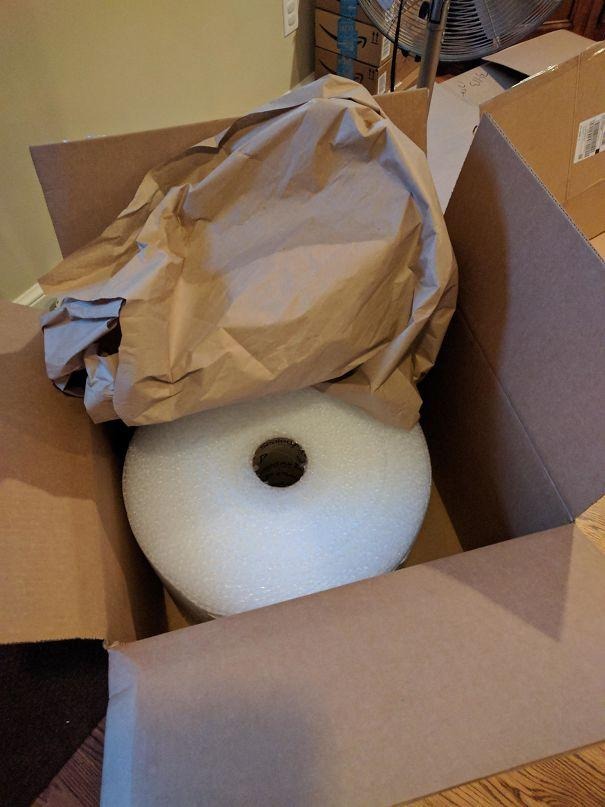
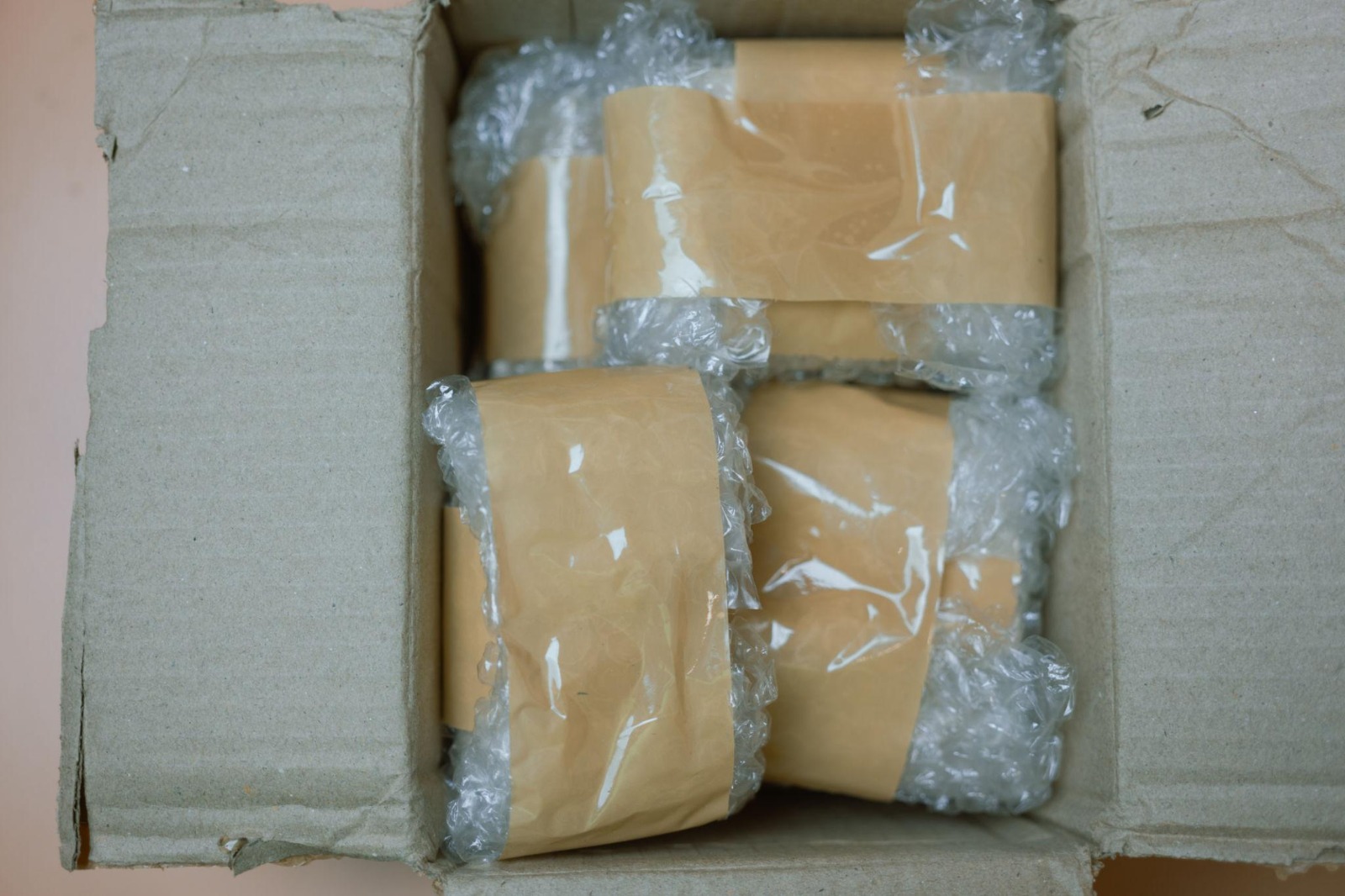
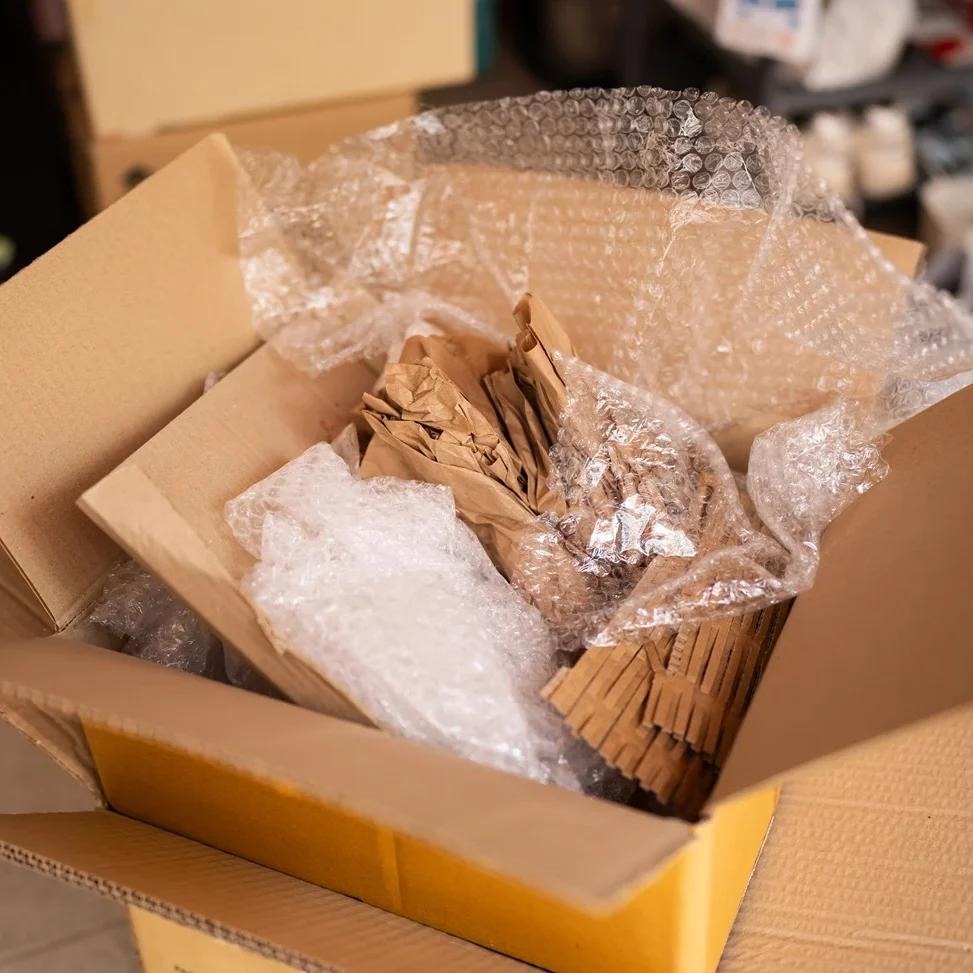
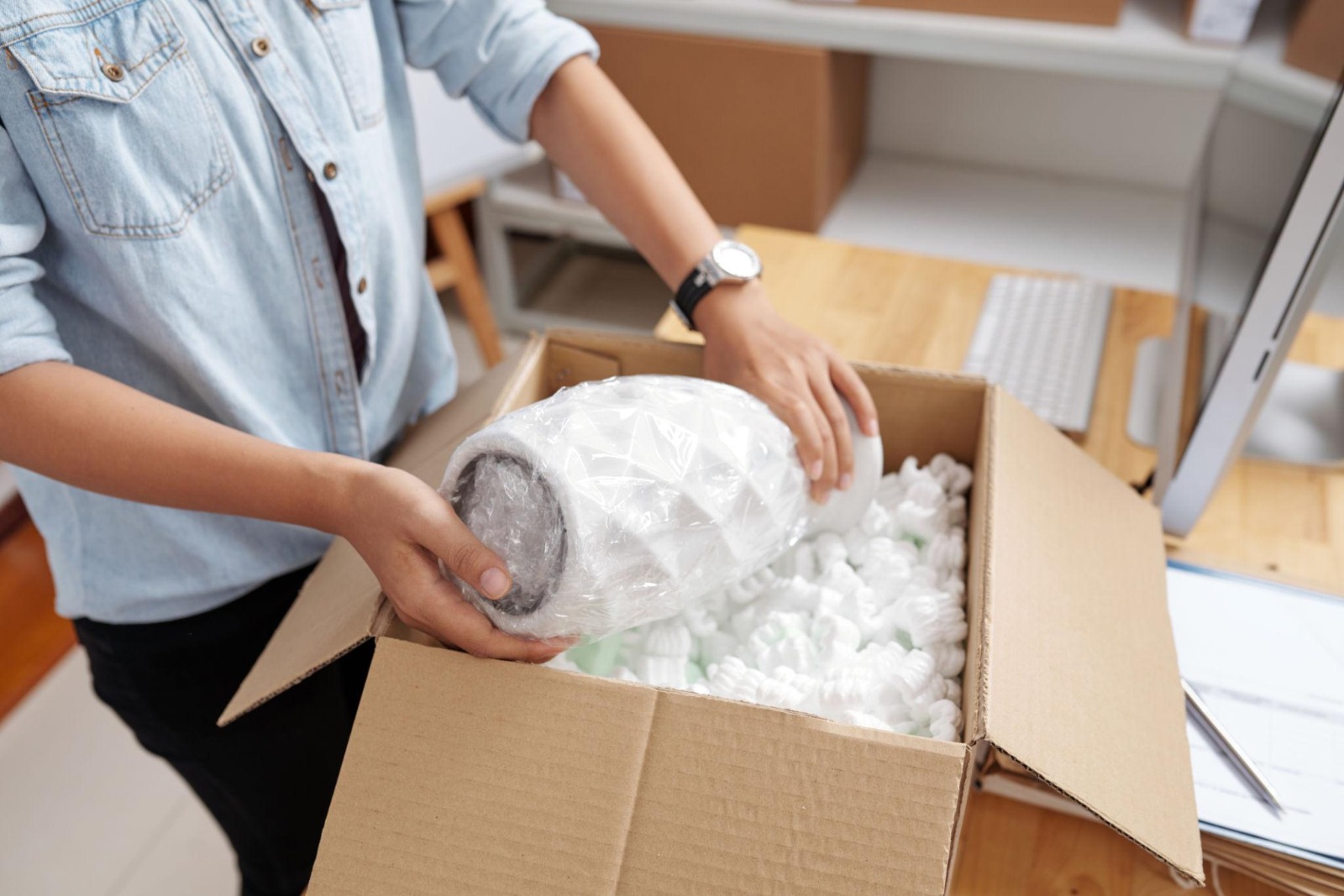
Most brands rely on thermocol (EPS), foam, or plastic-heavy cushioning to prevent breakage.
This development model offers a structured alternative.
Who This Is Designed For
This pilot is suited for brands that:
Long-Haul Shipping
Ship glass bottles over long distances where breakage risk is highest
Breakage Risk
Experience product loss or are forced into over-packaging to compensate
Plastic Reduction
Seek to reduce plastic cushioning in secondary transport packaging
Co-Development
Are willing to participate in early-stage material development and testing
What This Replaces in Your Current Packaging
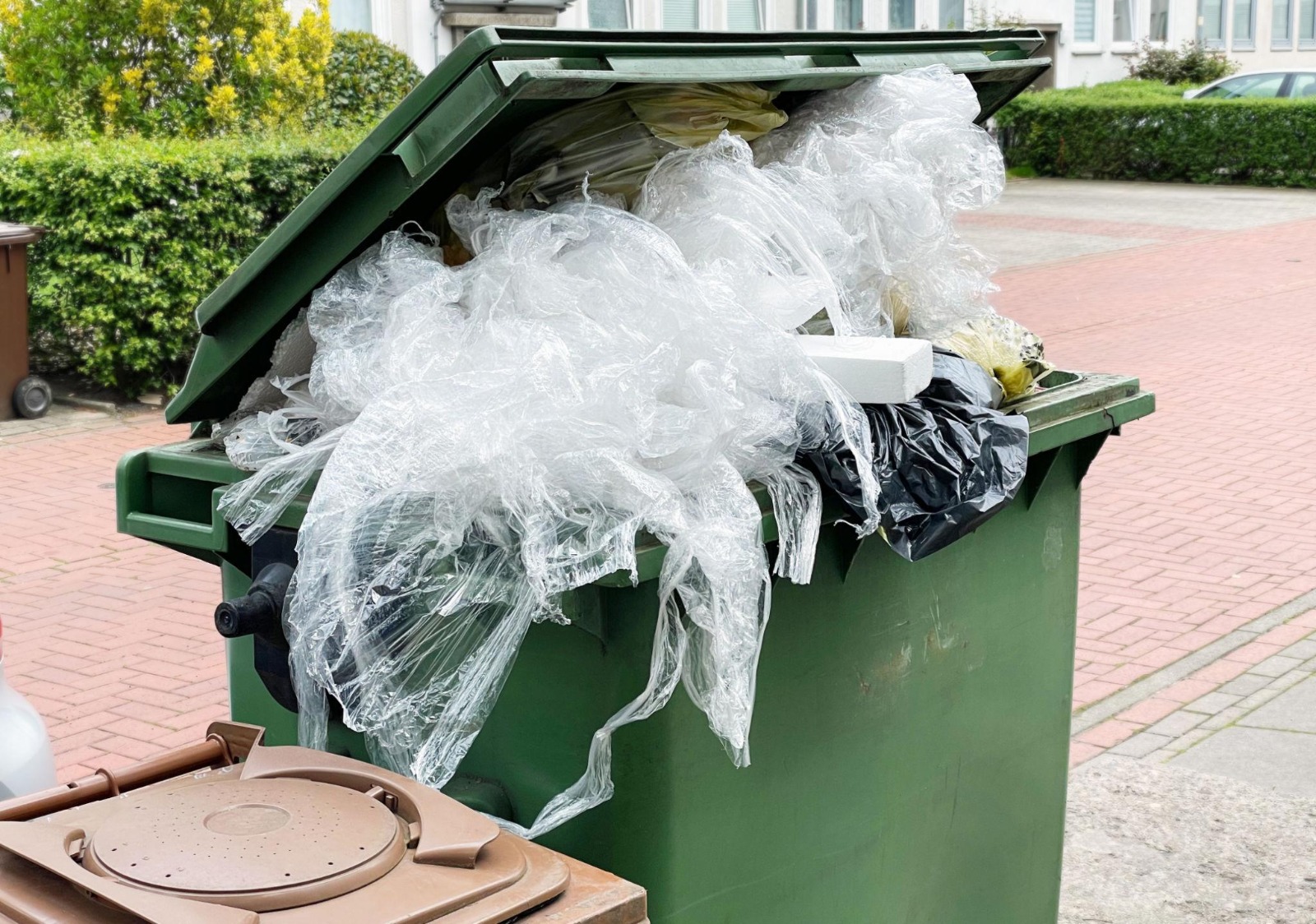
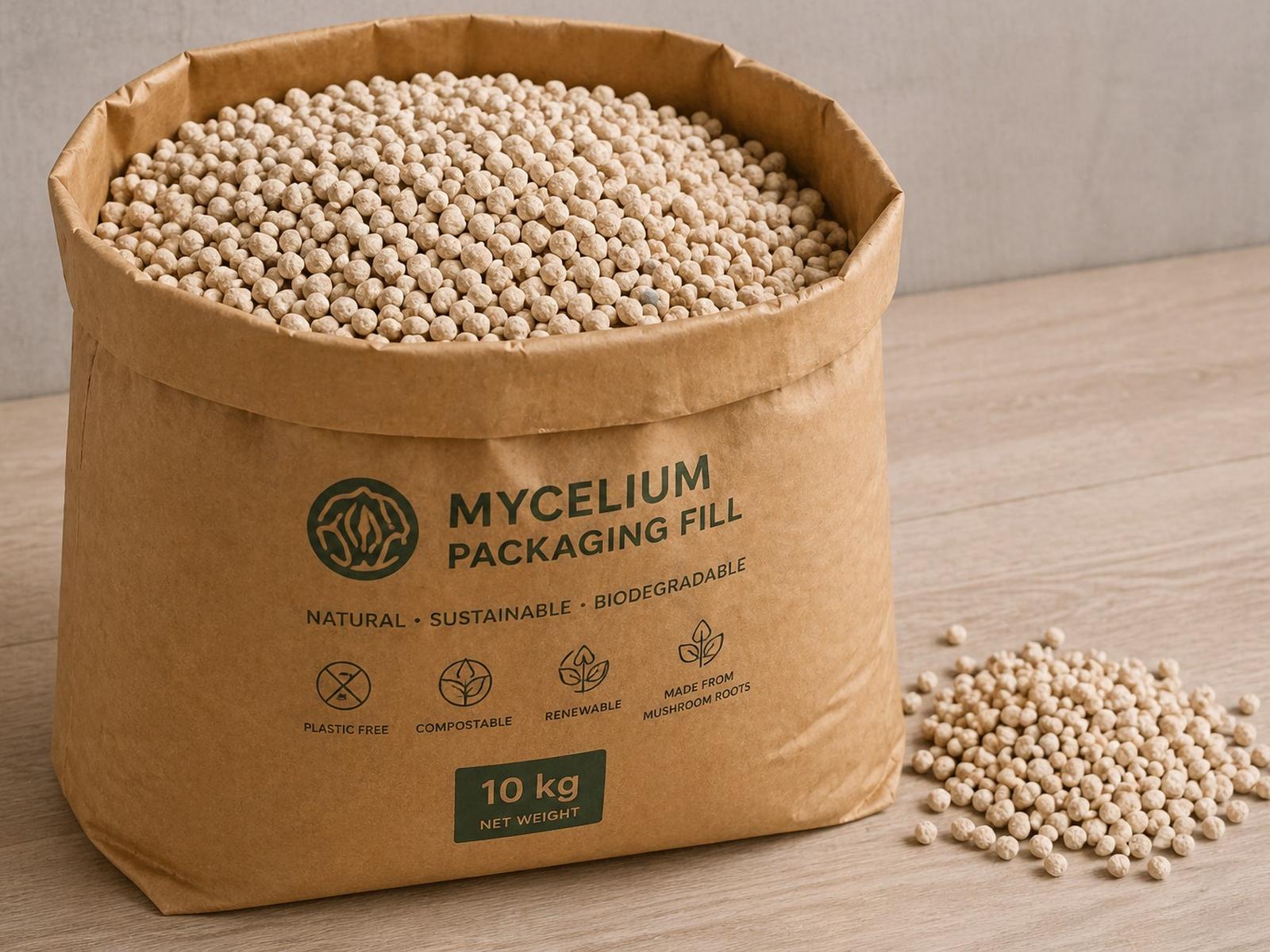
Most glass products today are protected during transport using plastic-heavy cushioning materials. This pilot focuses on replacing those materials with mycelium-based protective inserts where operationally viable.
Common Materials Currently Used
- Thermocol (EPS foam inserts)
- EVA or PU foam cushioning
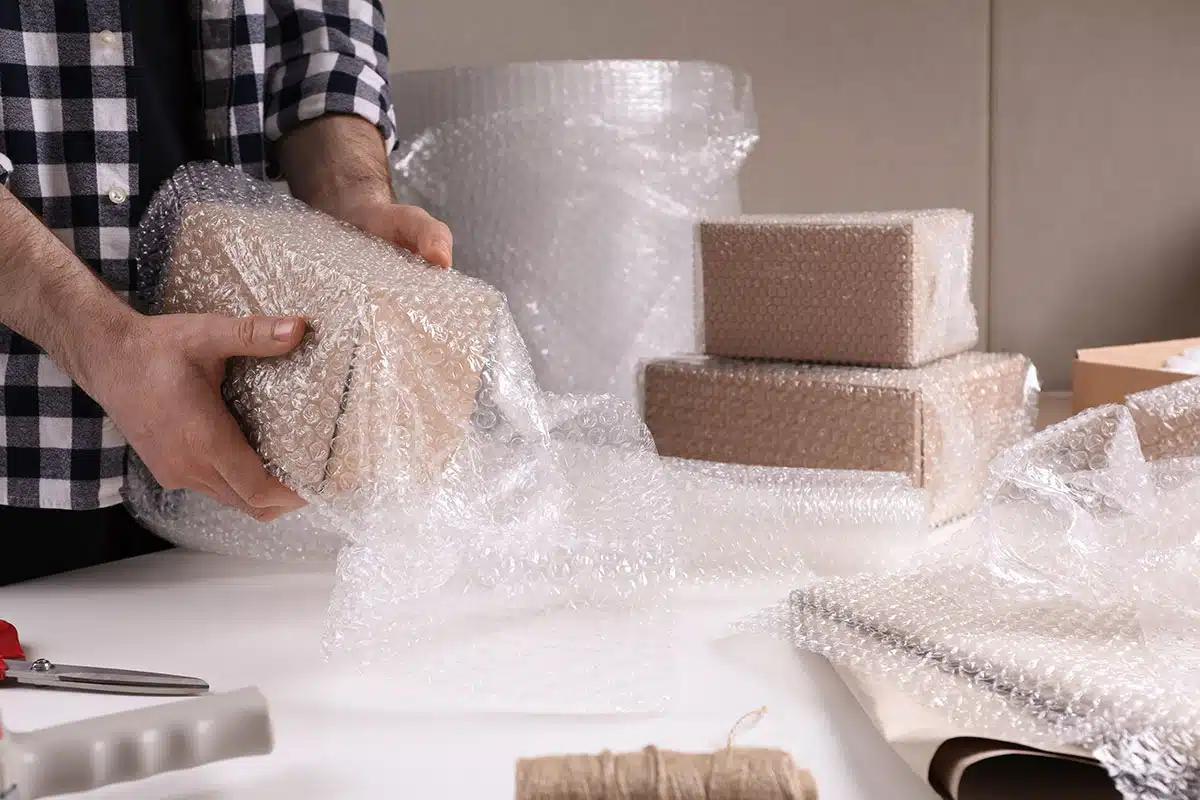
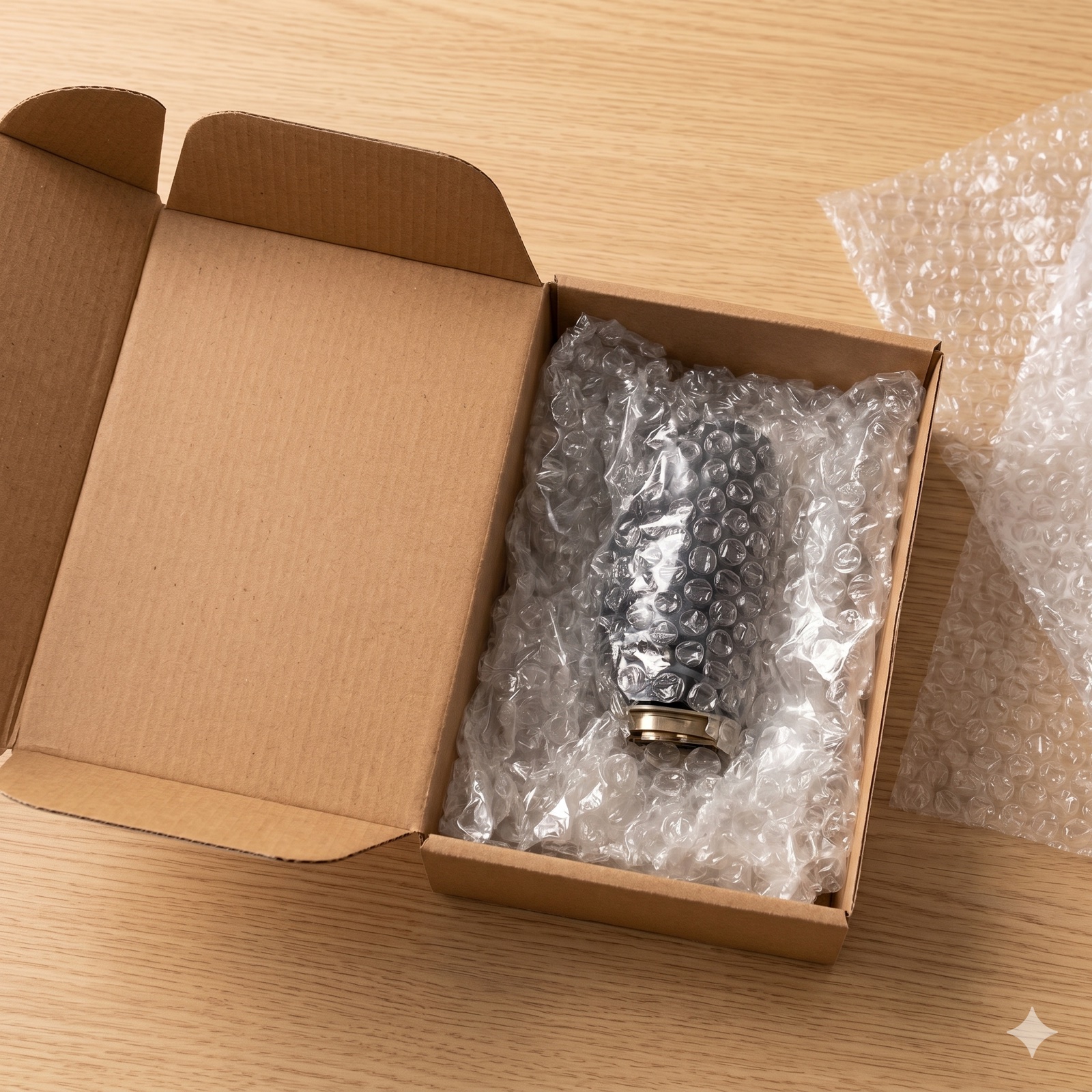
- Plastic bubble wrap layers
- Moulded plastic trays
- Layered cardboard combined with plastic fillers
What the Insert Replaces
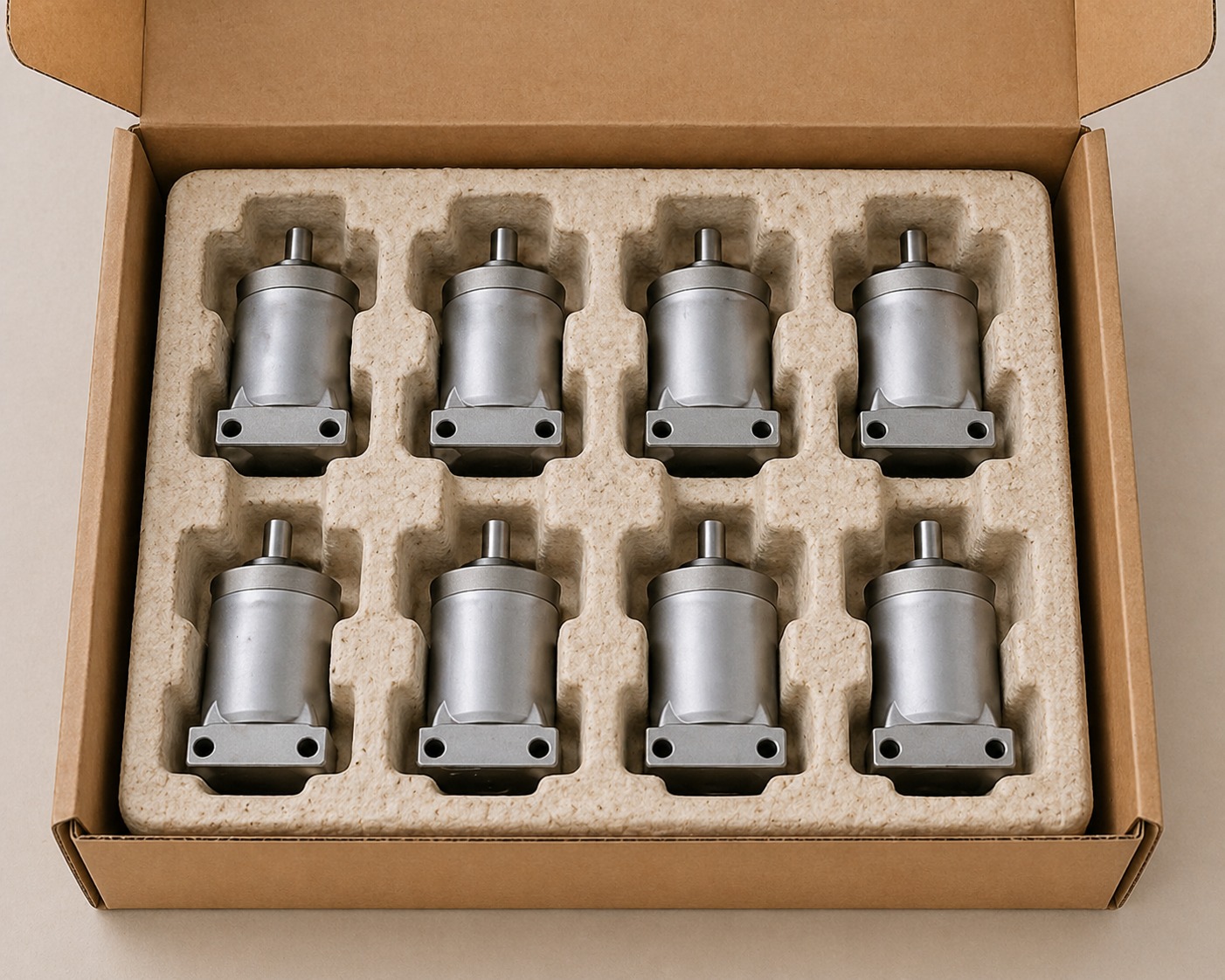
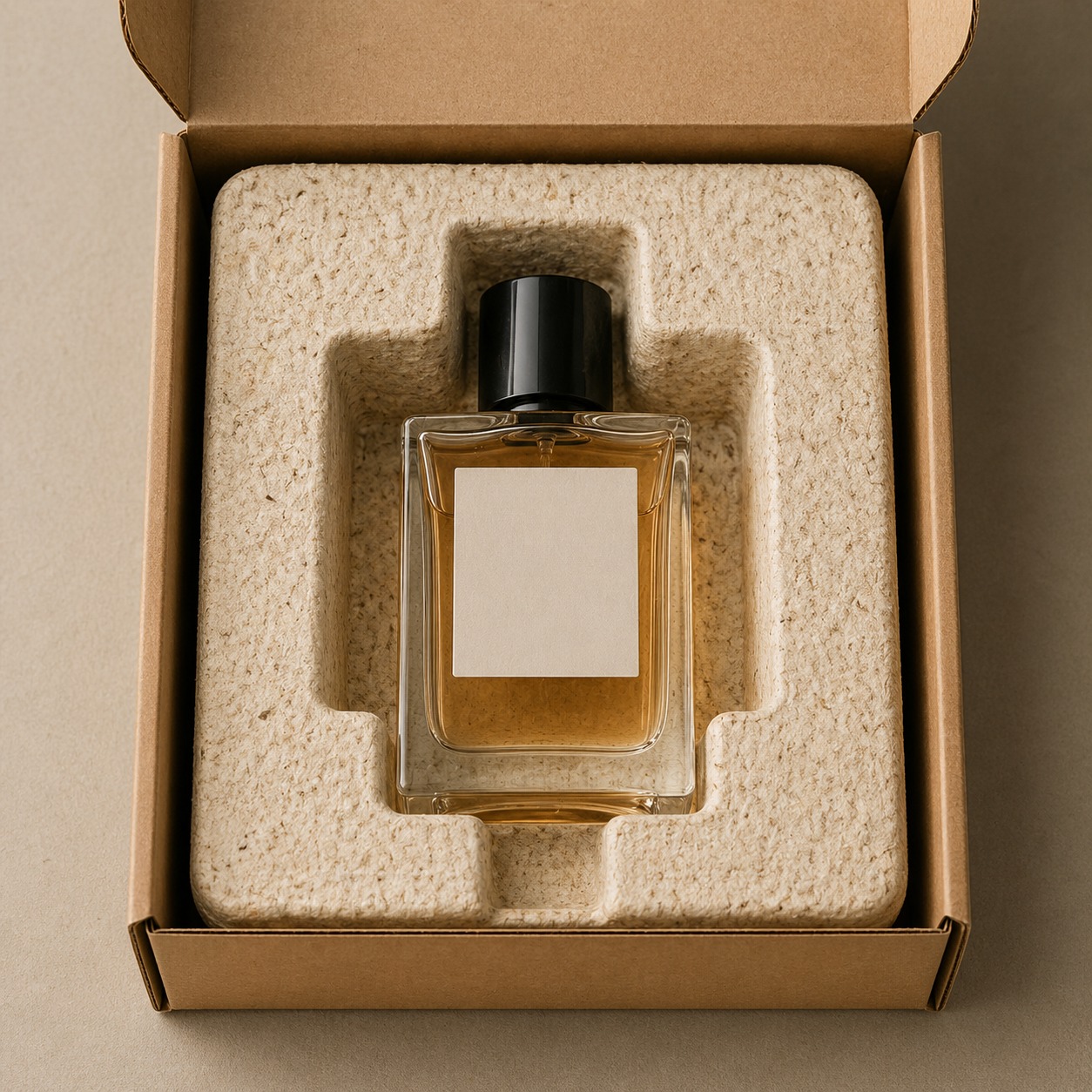
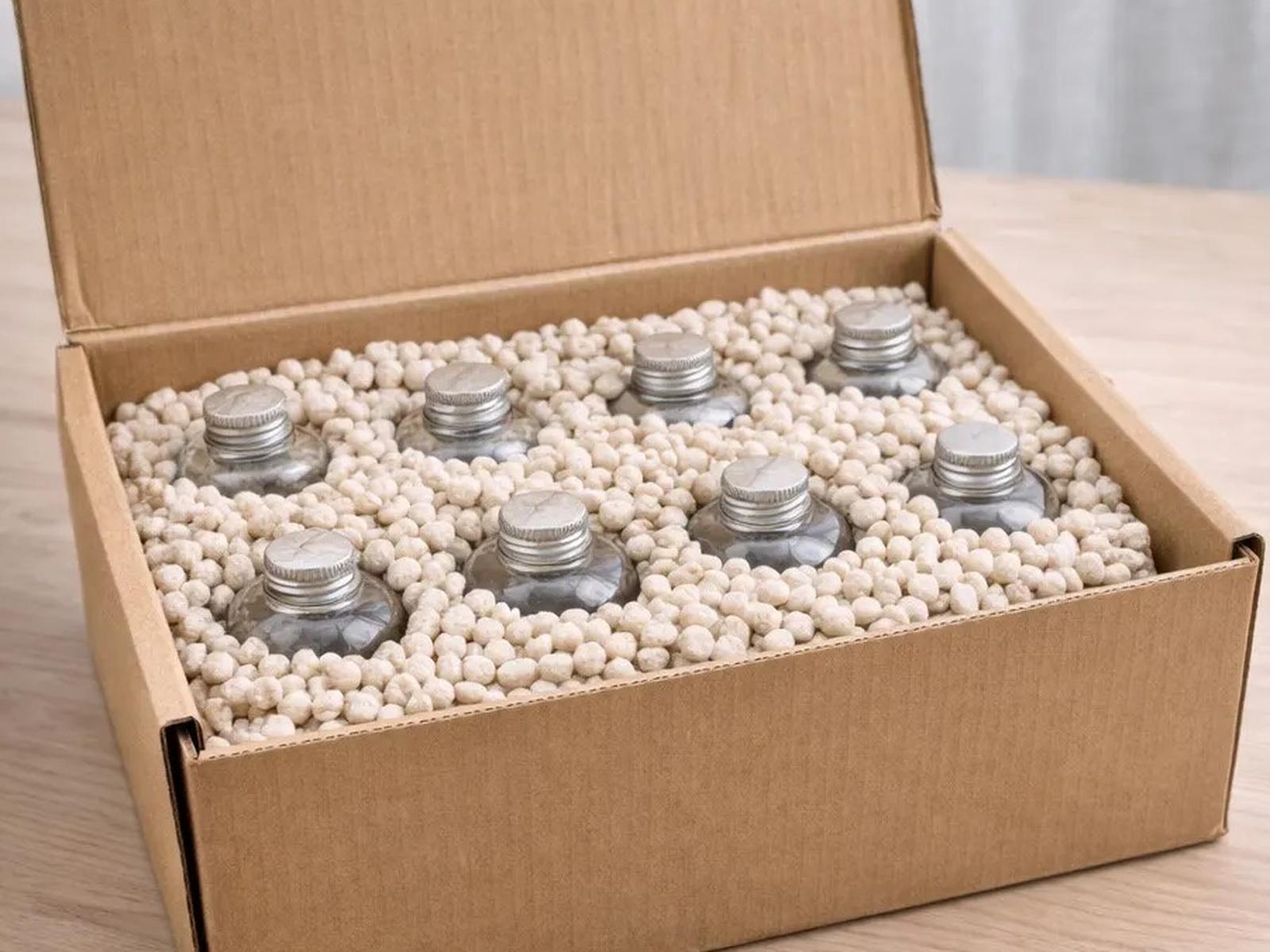
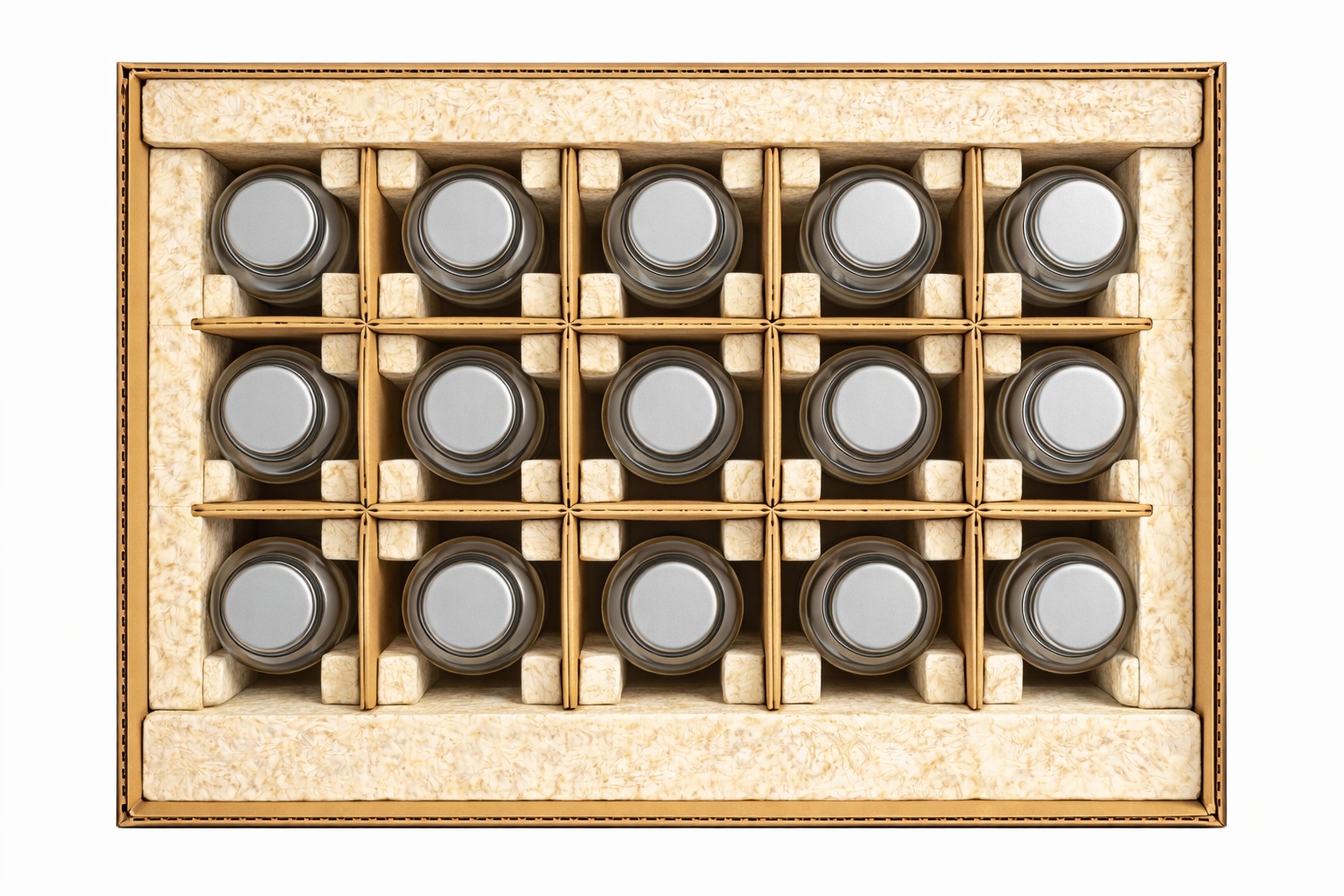
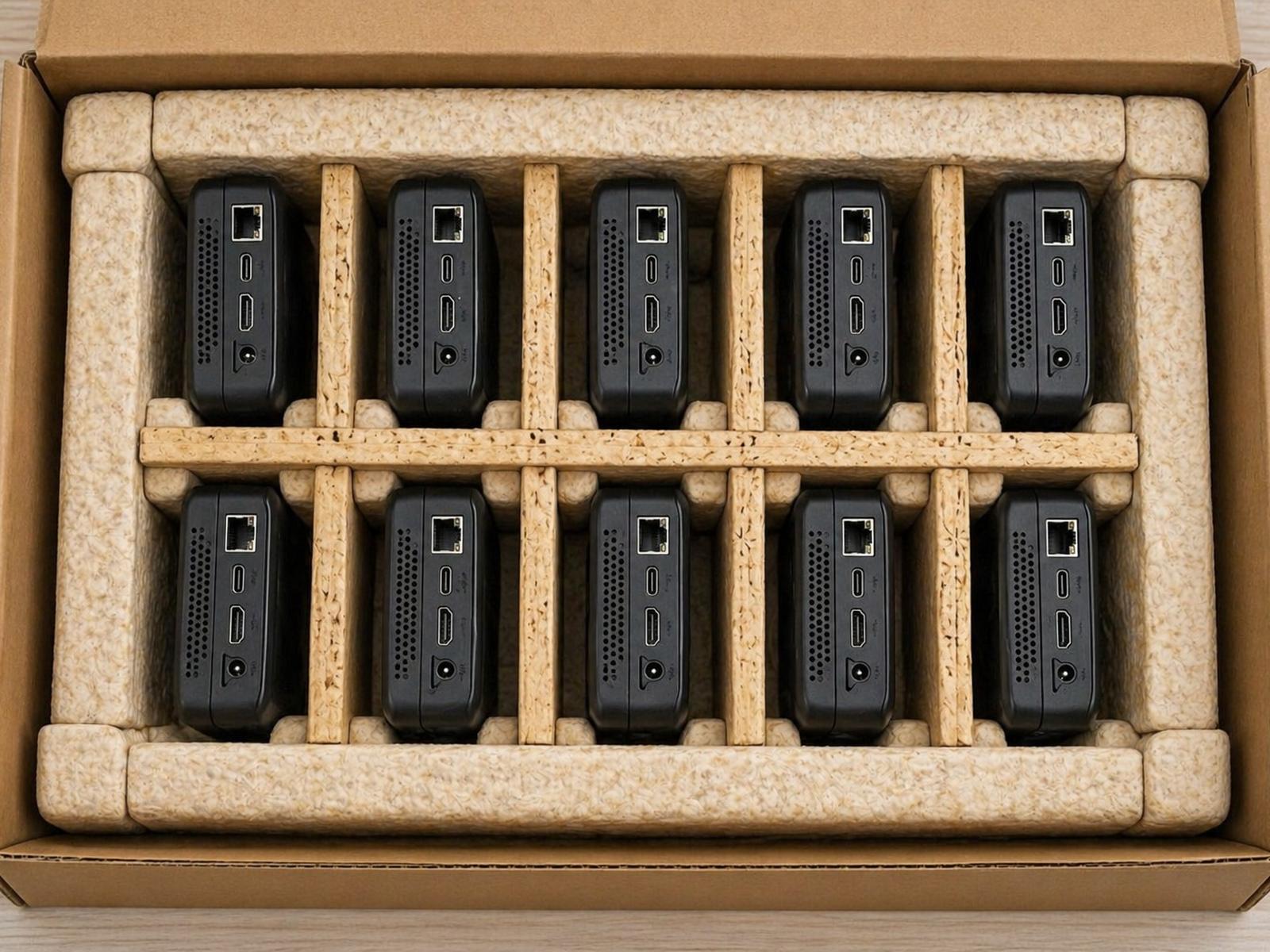
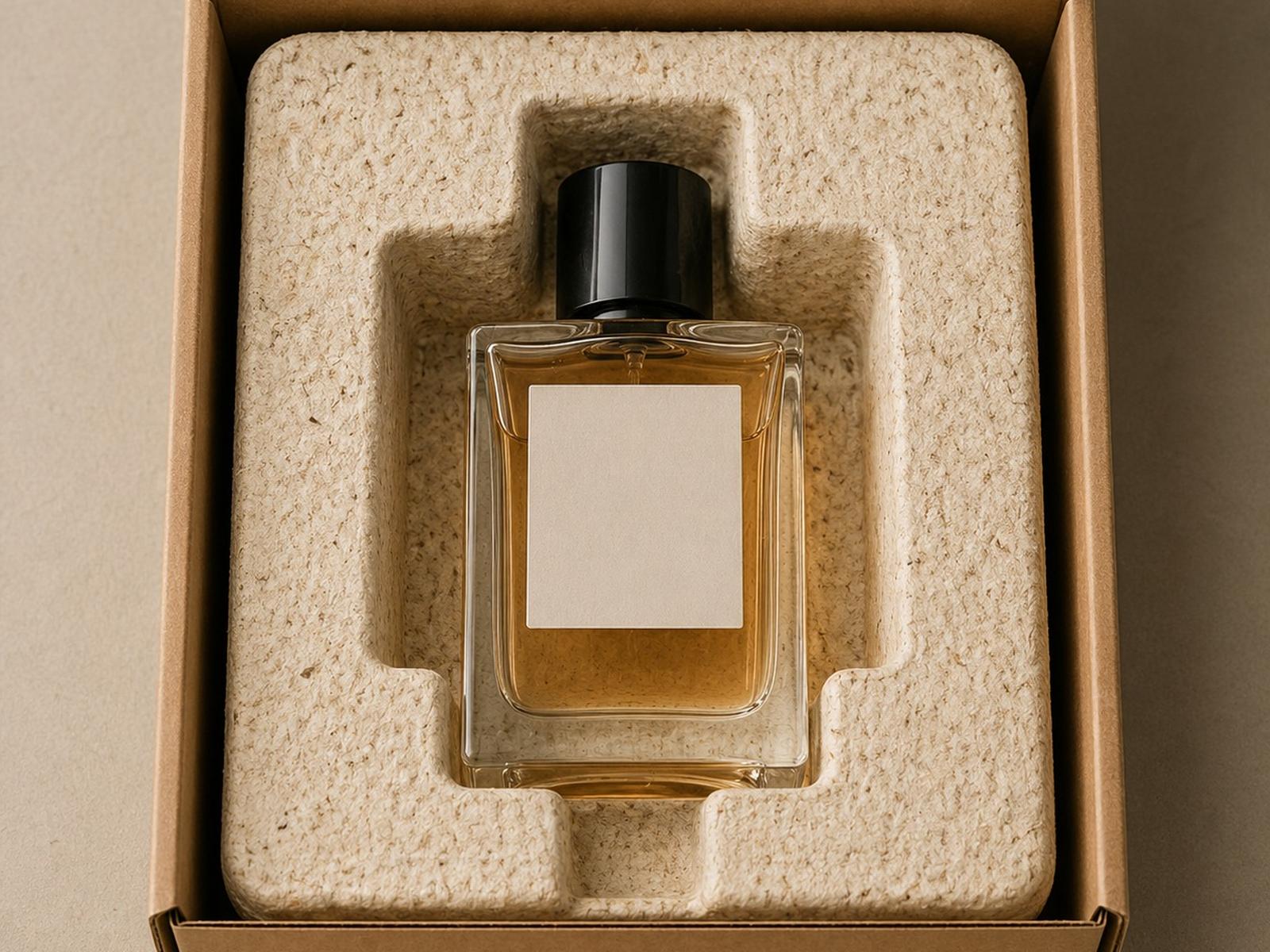
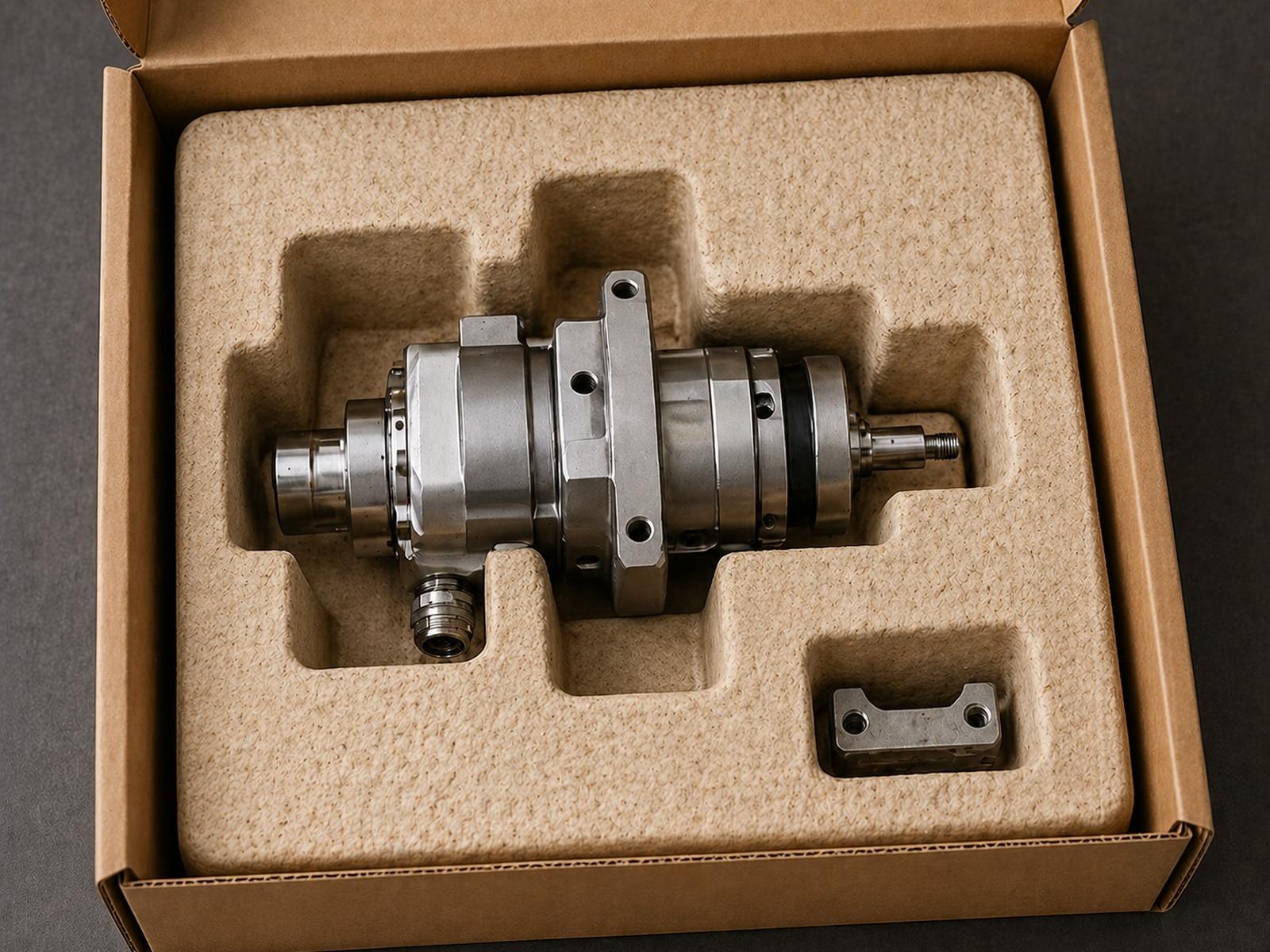
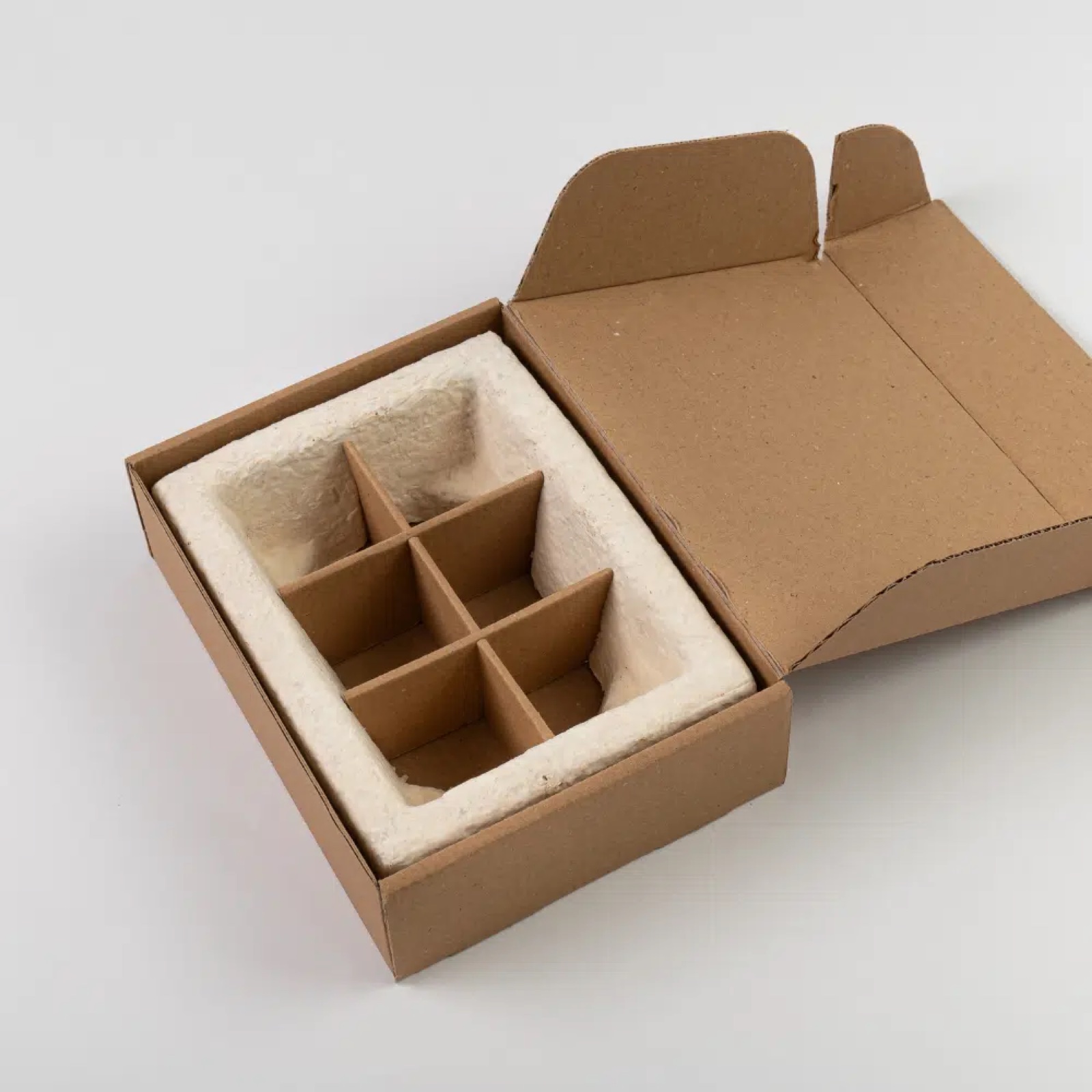
Instead of wrapping bottles with multiple layers of plastic cushioning, a single moulded insert structure holds the bottle in place inside the shipping carton and absorbs shocks during transport.
The insert is grown to fit one specific bottle geometry, providing structural protection through material form rather than layered wrapping.
What This Development Phase Delivers
This is a structured development partnership focused on producing a real, testable insert.
For one selected SKU and one defined transport context, this phase includes:
- Custom mould design for insert geometry
- Mycelium-based structural insert development
- Controlled growth and curing cycle
- Initial production batch of inserts (quantity confirmed based on bottle size and insert geometry)
- Structured evaluation under defined handling conditions
- Clear recommendation: scale, refinement, or discontinue
Insert Geometry
Pilot Scope and Commercial Terms
Pilot Timeline: 3 to 5 weeks
Pilot Fee: Up to ₹50,000
Final pilot cost and the number of inserts produced are confirmed after reviewing the bottle dimensions and insert complexity.
This covers:
- Custom mould fabrication
- Material growth cycle
- Initial insert batch production
- Evaluation and decision framework
This is not a bulk supply agreement. Scaling decisions are taken only after pilot outcomes are reviewed.
Performance Intent
The objective of this development phase is to determine whether a mycelium-based insert can:
- Maintain structural integrity under defined transport stress
- Reduce reliance on plastic cushioning
- Protect the bottle within acceptable breakage tolerance
- Offer a viable geometry for scaled production
This is a measurable engineering exercise.
EPS Insert
Mycelium Insert
How the Pilot Works
Pilot Confirmation and Bottle Selection
Estimated 3 to 5 days
Once the pilot is confirmed, we select one specific glass bottle or jar SKU from your product line. Bottle dimensions, weight, and current shipping setup are reviewed — including cartons, cushioning materials, and typical logistics routes. This ensures the insert is designed for real transport conditions rather than a generic packaging format.
Insert Design, Mould Development and Internal Testing
Estimated 2 to 3 weeks
A protective insert geometry is designed around the selected bottle, optimised to absorb shocks during transport while remaining manufacturable in mycelium-based material. Initial units are produced and internally evaluated for fit, structural stability, and handling behaviour before pilot production begins. Mycelium composites form when fungal mycelium binds agricultural fibres into a rigid protective structure.
Pilot Production, Delivery and Real Shipment Testing
Estimated 2 to 3 weeks
The agreed number of inserts are produced and delivered for use in real shipments. These units are placed within existing shipping cartons and used in normal logistics flows. Brands can then observe handling behaviour, fit, and breakage protection during actual transport conditions.
FAQ
No. This is a development pilot to design and test a mycelium-based protective insert for one specific glass bottle or jar.
The objective is to evaluate whether the material and insert geometry can perform under real shipping conditions. Any decision about large-scale supply is taken after the pilot results are reviewed.
The pilot cost depends on the insert size, mould complexity, and development effort required for the selected bottle.
Most pilots fall within this range. The exact amount is confirmed once the bottle dimensions and transport scenario are reviewed.
The pilot includes a limited batch of inserts designed for testing in real shipments.
The exact number depends on the insert size and mould configuration, but the goal is to provide enough units to observe handling and transport performance.
No packaging solution can guarantee zero breakage.
The objective of the pilot is to evaluate whether mycelium-based cushioning can reduce breakage risk while replacing plastic-heavy cushioning materials.
No. Each pilot focuses on one bottle or jar SKU.
This keeps development focused and allows the insert geometry and mould to be optimized for that specific product. Additional SKUs can be evaluated in separate pilots if needed.
After the inserts are tested in real shipments, both sides review the results.
If the material and insert structure perform as expected, the next step may involve refining the design and evaluating larger-scale production.
To begin development, we typically need:
- Bottle dimensions and weight
- Current shipping carton dimensions
- Typical shipping route (courier or warehouse logistics)
Not Sure If This Applies to You?
Whether your SKU is suitable, whether your logistics profile justifies the pilot, or whether the pilot is commercially sensible — schedule a 20-minute discussion to assess fit before committing.
Know More About the PilotAbout GlassTransit
GlassTransit focuses on sustainable secondary transport packaging for fragile glass bottles and jars.
Many brands now use glass as primary packaging, yet shipping protection still relies heavily on plastic foams and thermocol. Our work focuses on developing mycelium and agricultural biomass alternatives that can replace these materials where operationally viable.
The goal is to create biodegradable protective inserts that perform under real transport conditions, where shock absorption and breakage prevention matter.
Development cycles are intentionally limited to maintain execution quality and ensure solutions remain grounded in real logistics environments.
Saravanakumar Muralikrishnan
Founder & Product Lead, GlassTransit
GlassTransit was started by Saravana Kumar, whose interest in biomaterials began with hands-on experiments in mushroom cultivation. Over time, this curiosity developed into a broader effort to understand how mycelium and agricultural biomass can replace plastic cushioning used in shipping fragile glass products. With a background in engineering leadership, Saravana brings a systems-oriented approach to sustainable materials, focusing not just on environmental impact, but also on practical performance in real transport conditions.
Final Step
Sustainable transport packaging for glass cannot be solved generically. It must be built, tested, and evaluated around real bottles and real logistics conditions.
If you are ready to assess whether development makes sense for your SKU:
Know More About the Pilot